Research Design Exhibition — Estate 2026
Villa Marie
Vorno · Lucca · Tuscany
Vestigia 2026 / Pre-shooting
When Carlo Mollino wrote these words, he wasn’t signing an invitation to an exclusive party or endorsing excess for its own sake. He was executing an act of controlled sabotage.
It was his way of blowing up the customs barriers of rigid categorization, reclaiming the right to traverse techniques, memories, and geographies without a passport.
Authentic research is always born in this very spot: an unstable, wonderfully perilous space where knowledge ceases to wage war against the imagination and instead begins to speculate alongside it. While the twentieth century cradled the anesthetizing illusion of a universal design, a standardized aesthetic passe-partout that claimed to erase differences in the name of efficiency, contemporary practices today do the exact opposite.
And no, this is not a nostalgic retreat into folklore or the “good old days.” It is a lucid, almost surgical act of resistance against standardization. Objects are not born in the sterile vacuum of digital renderings; they are bound to bodies, communities, and the resistance of matter. Materials and ancestral techniques cease to be archaeological relics preserved under a glass case; they return to being what they have always been: sharp weapons with which to dissect the present.
More than an exhibition, Vestigia is a temporary ecosystem — each designer brings their own material and imaginary map, not to display it as a trophy, but to let it collide with those of the others.Vestigia 2026
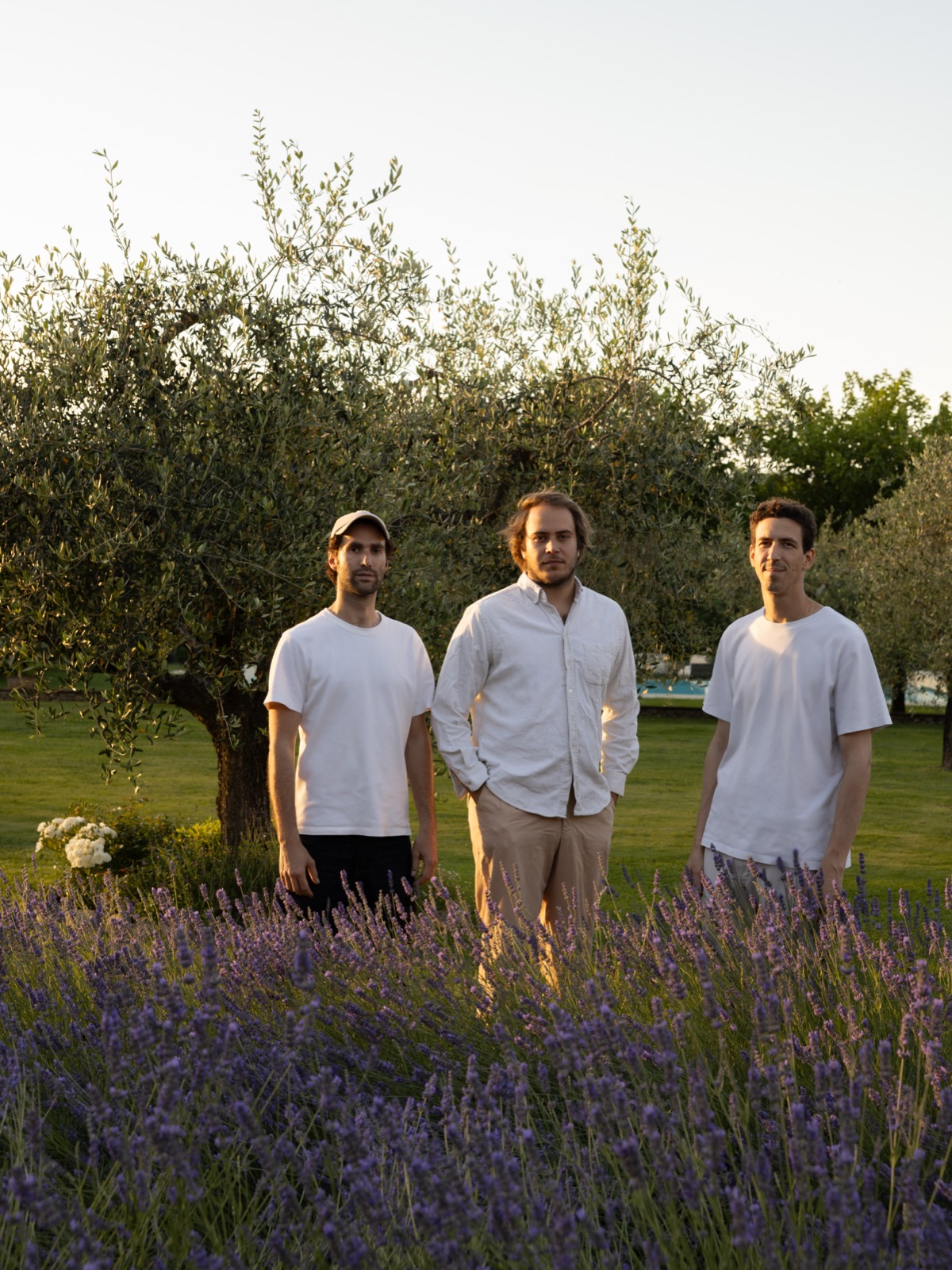
© Dario Borruto
“Everything is permitted,
provided it is fantastic!”
There is no denying it: in recent years, so-called collectible design has taken center stage globally, positioning itself in a fertile yet often ambiguous limbo between art, sculpture, and high-end craftsmanship.
This centrality, however, forces a crucial question upon us: what are we actually seeing when we look at an object of contemporary design? A financial investment asset or the tangible body of a profound investigation? A showpiece or a thought rendering itself into matter?
DON’T CALL ME COLLECTIBLE! emerges as a shift in posture, a statement of intent. It is not a naive rejection of the market or its history, but an attempt to rescue the object from a definition that is too hasty, too closed off, and too tightly bound to its price tag, in order to return it to the source from which it is generated: pure research.
Glenn Adamson has frequently noted that terms like “Design Art” or “Collectible Design” are taxonomies invented to market and categorize whatever escapes the rules of industrial production. The actual practice of designers, on the contrary, moves through far more complex and fluid territories, where radical design, studio craft, and field research coexist.
In this light, the object is never merely the end result, but the critical condensation of a thought.Vestigia 2026
This is why we prefer to speak of research design: the project understood as a form of knowledge, the object as a repository of questions and possibilities.Vestigia 2026
This horizon also redefines the very concept of territory, which in Vestigia 2026 sheds any nostalgic or identity-driven connotation. Territory is not a rigid root, a border, or an obligatory genealogy. It is a field of forces, a living system of gestures, economies, materials, and transformations.
Tuscany, in this sense, is not the illustrative theme of the exhibition. It does not serve as a scenic backdrop, nor does it translate into postcard references for cultured tourists. It is, rather, a cultural apparatus.
A place where for centuries art, architecture, and material production have been radically intertwined, and where the object has always been a social signifier, a measure of the relationship between human beings and space. As geographer Doreen Massey suggests, place is not a static identity but the meeting point of distinct trajectories. This vision dialogues with Saskia Sassen’s thesis that the global does not erase the local, but intersects and transforms it. Vestigia inhabits precisely this hybrid condition: it accepts that every contemporary practice is forged from real places and digital images, personal memories and global references, ancient techniques and individual desires.
The parallel between territory and design practice thus becomes the heart of the exhibition. Just as a landscape is the result of sedimentations, fractures, and layers, so too is every exhibited form the outcome of a long process.Vestigia 2026
Richard Sennett, reflecting on craftsmanship, described technical skill not as mere manual dexterity, but as a form of embodied thought. To make means to know through matter, to understand through the rhythm of repetition, to negotiate with the weight of the real world.
Yet design cannot be reduced to sight alone, which today is all too often saturated by the two-dimensionality of screens. Andrea Lipps, in her work on sensory design, insists on the necessity of moving beyond a purely visual engagement, restoring centrality to the body and to a more global perception.
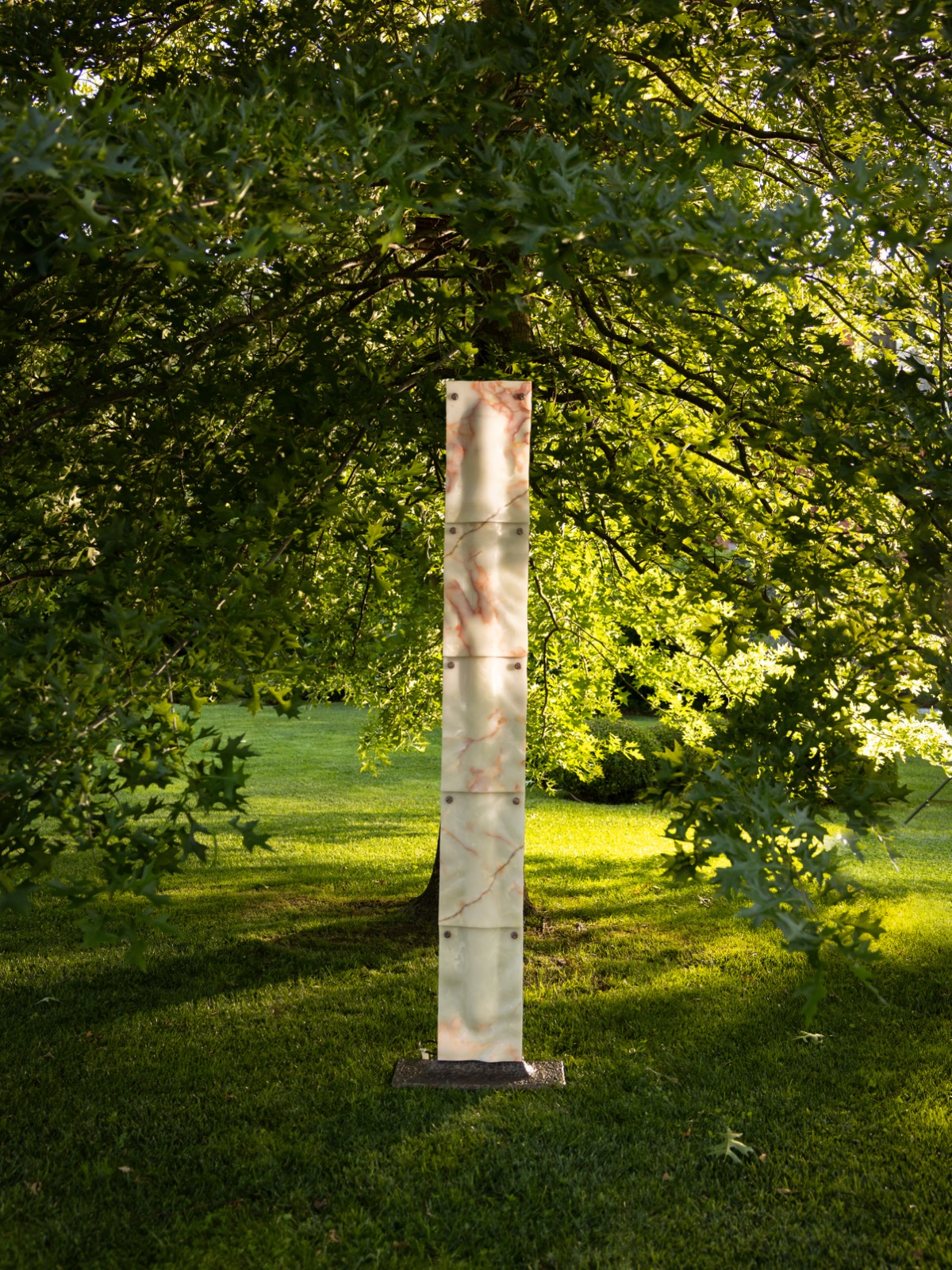
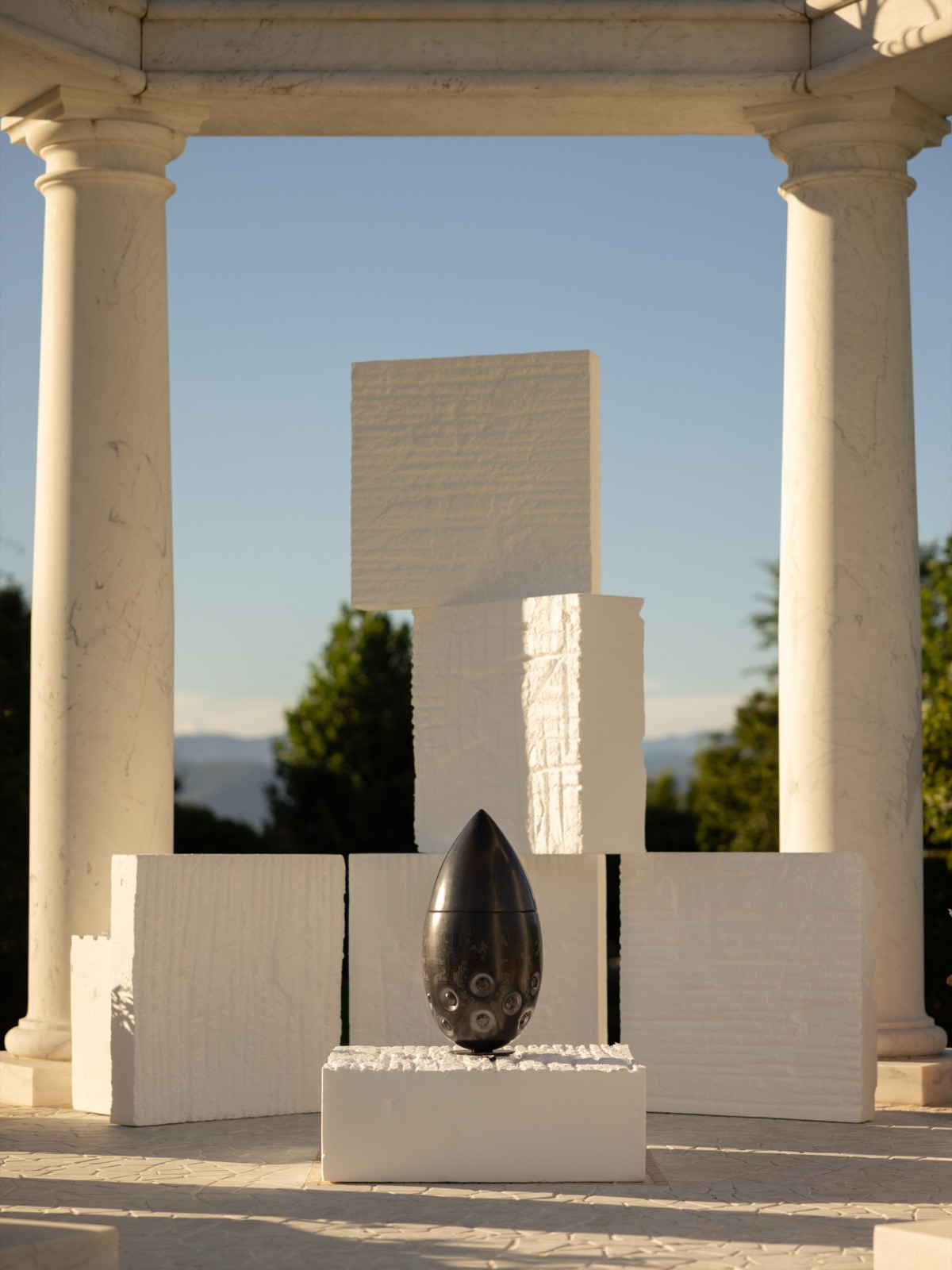
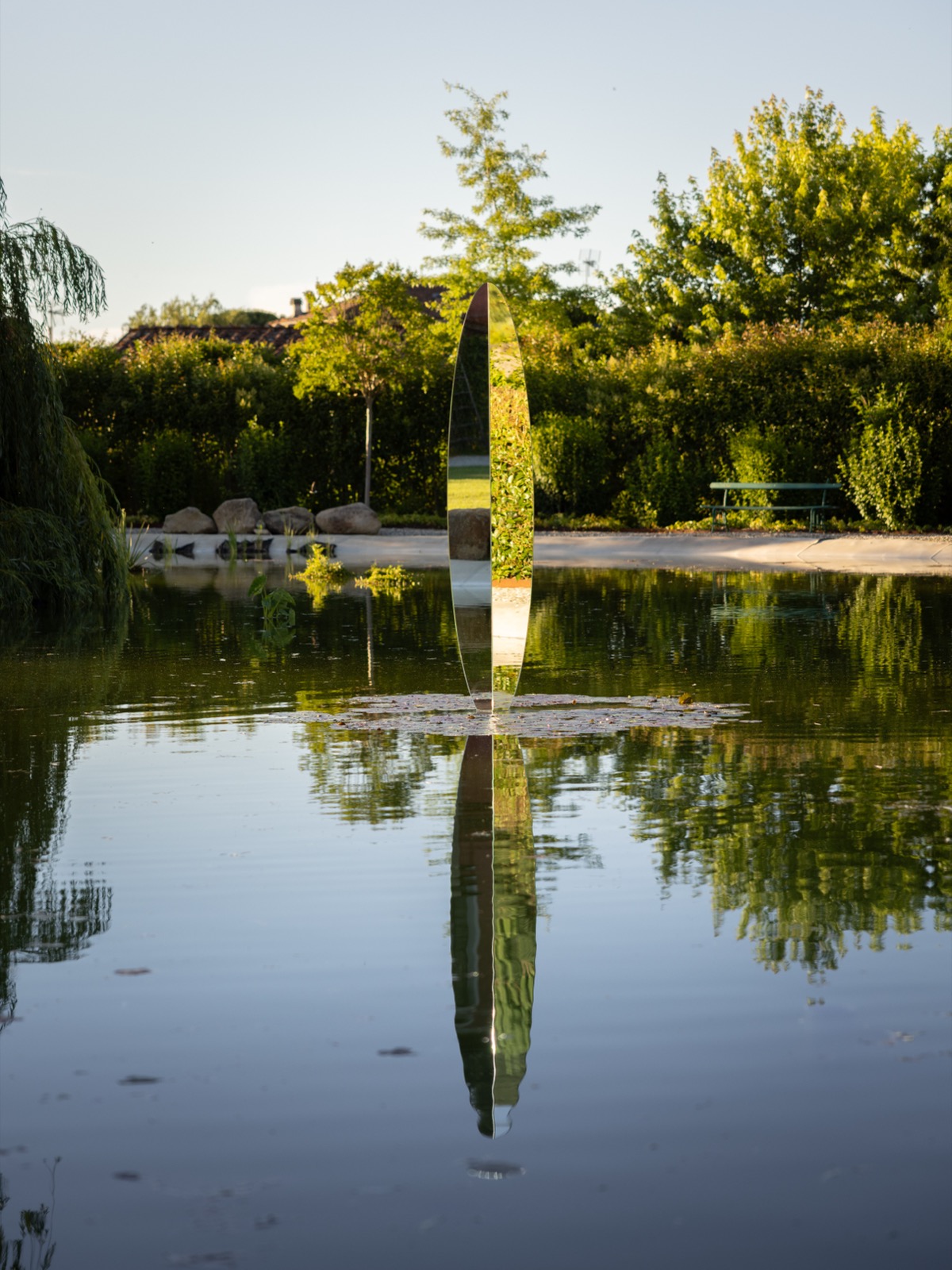
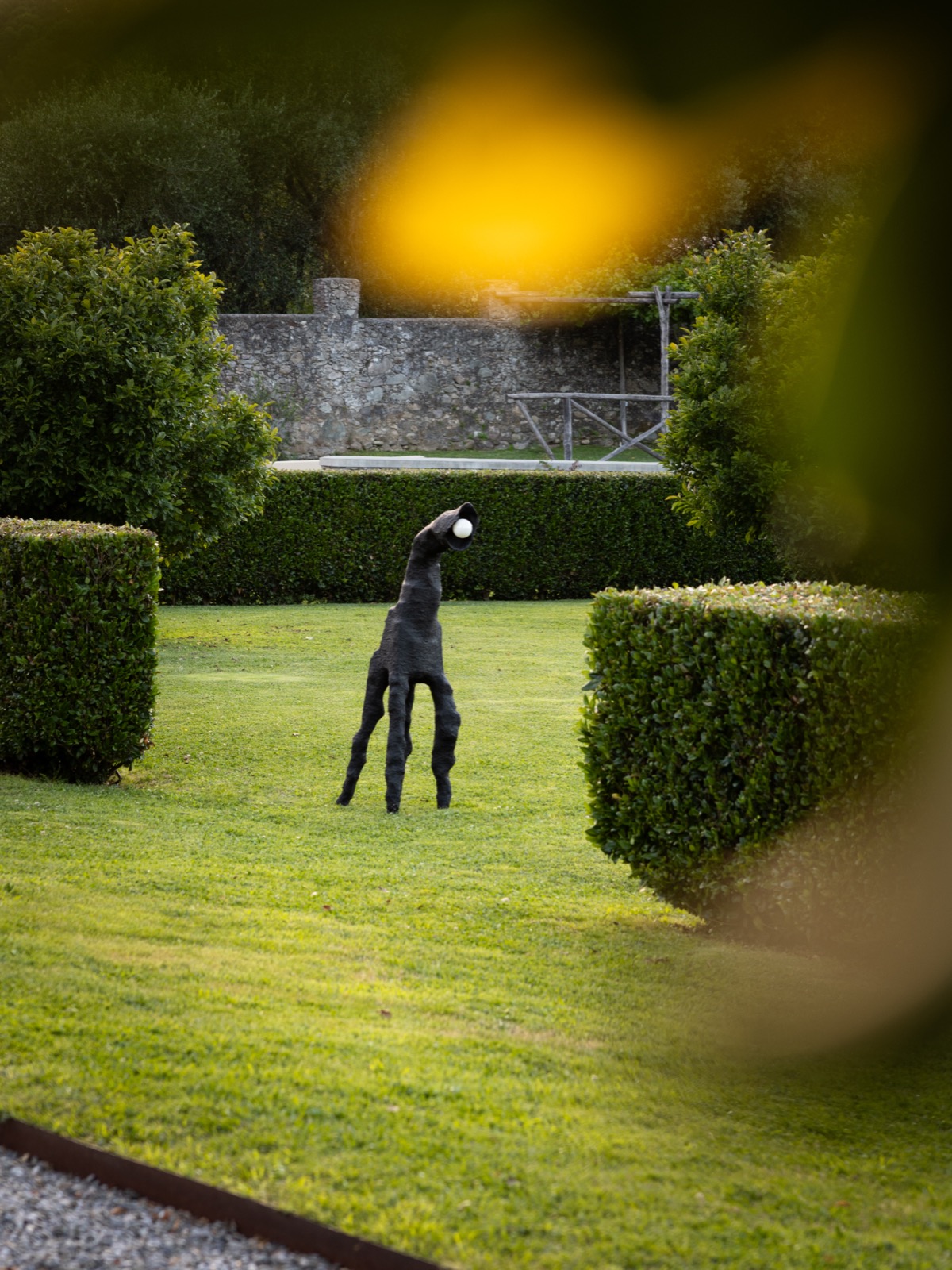
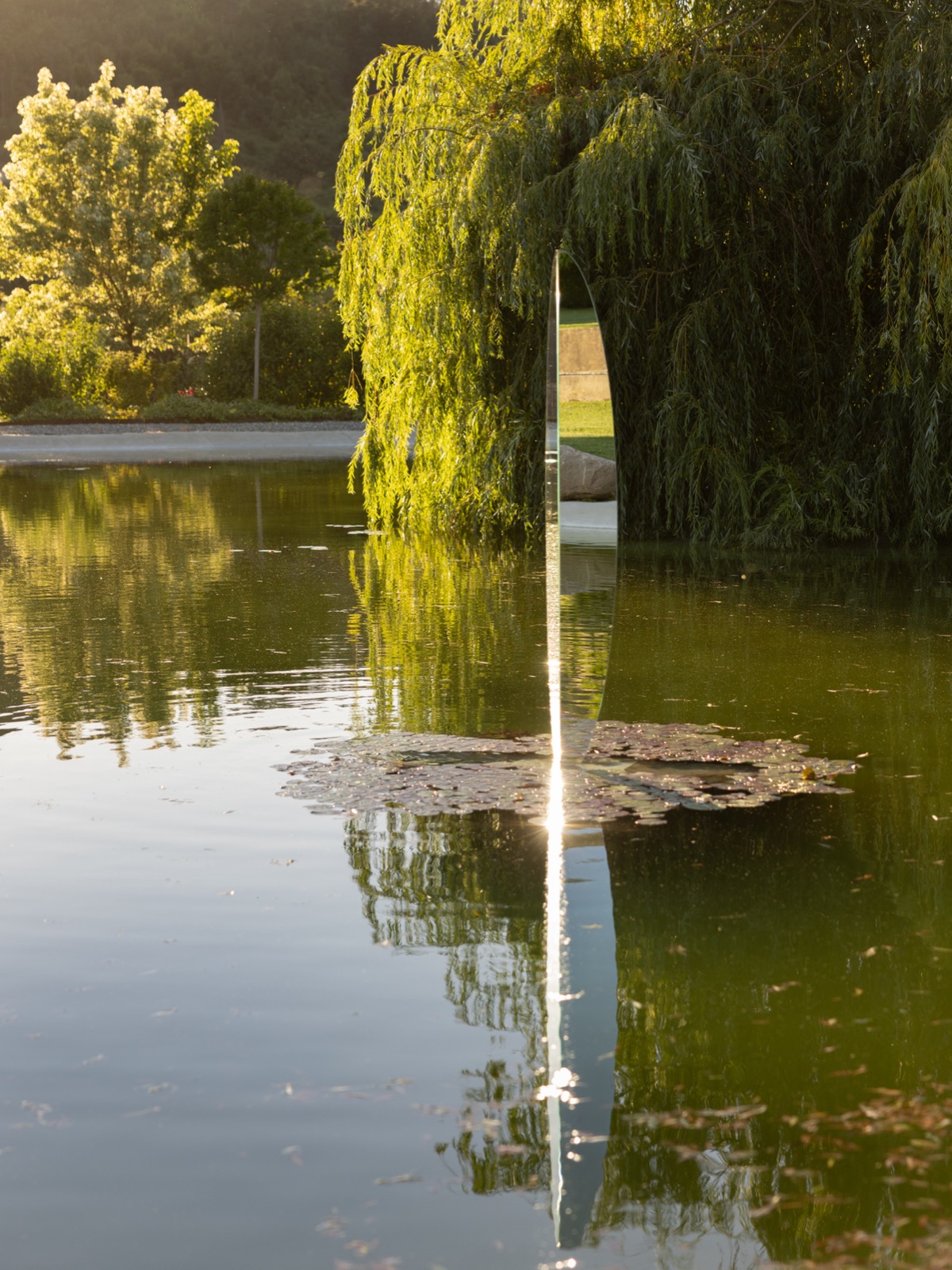
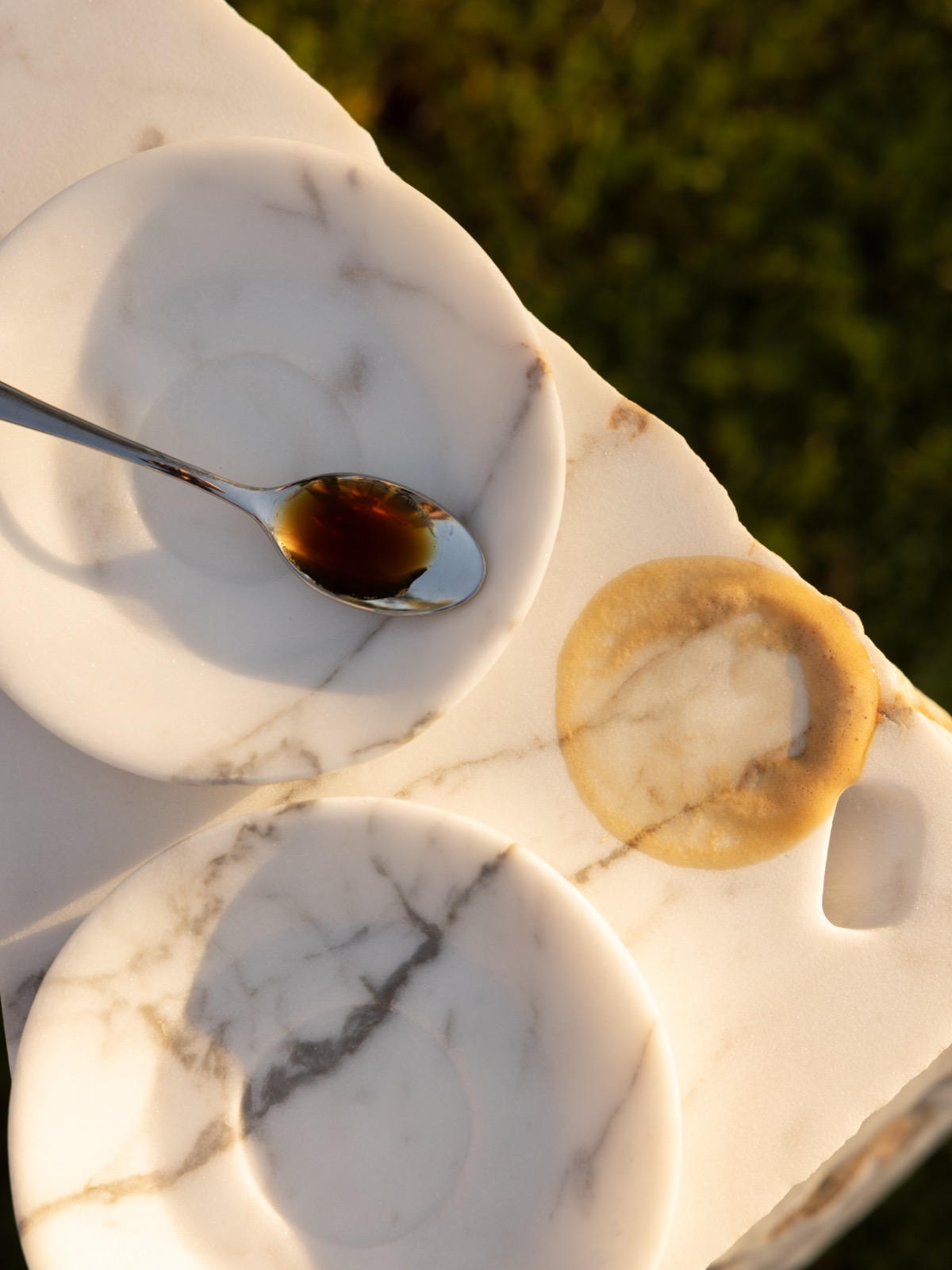
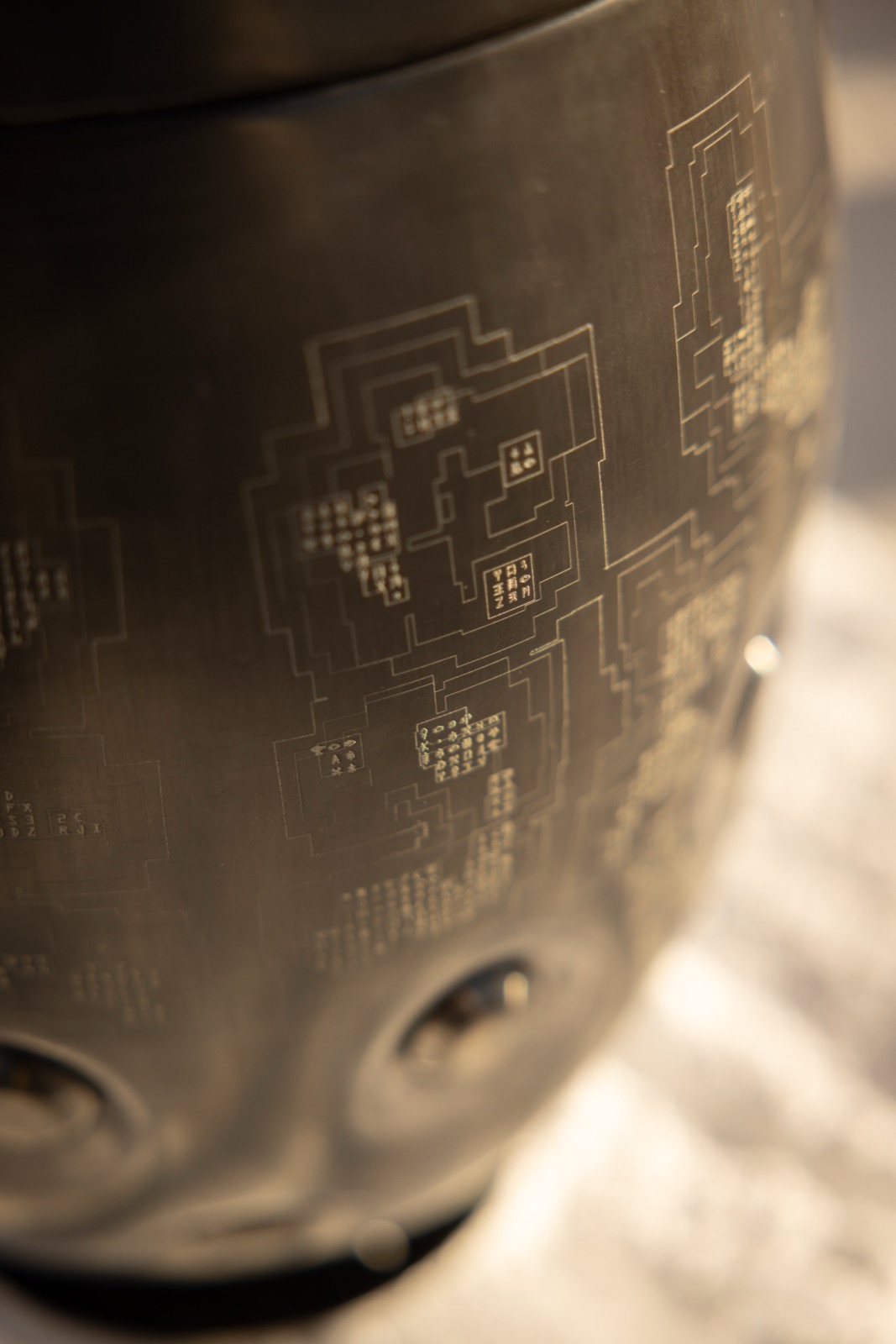
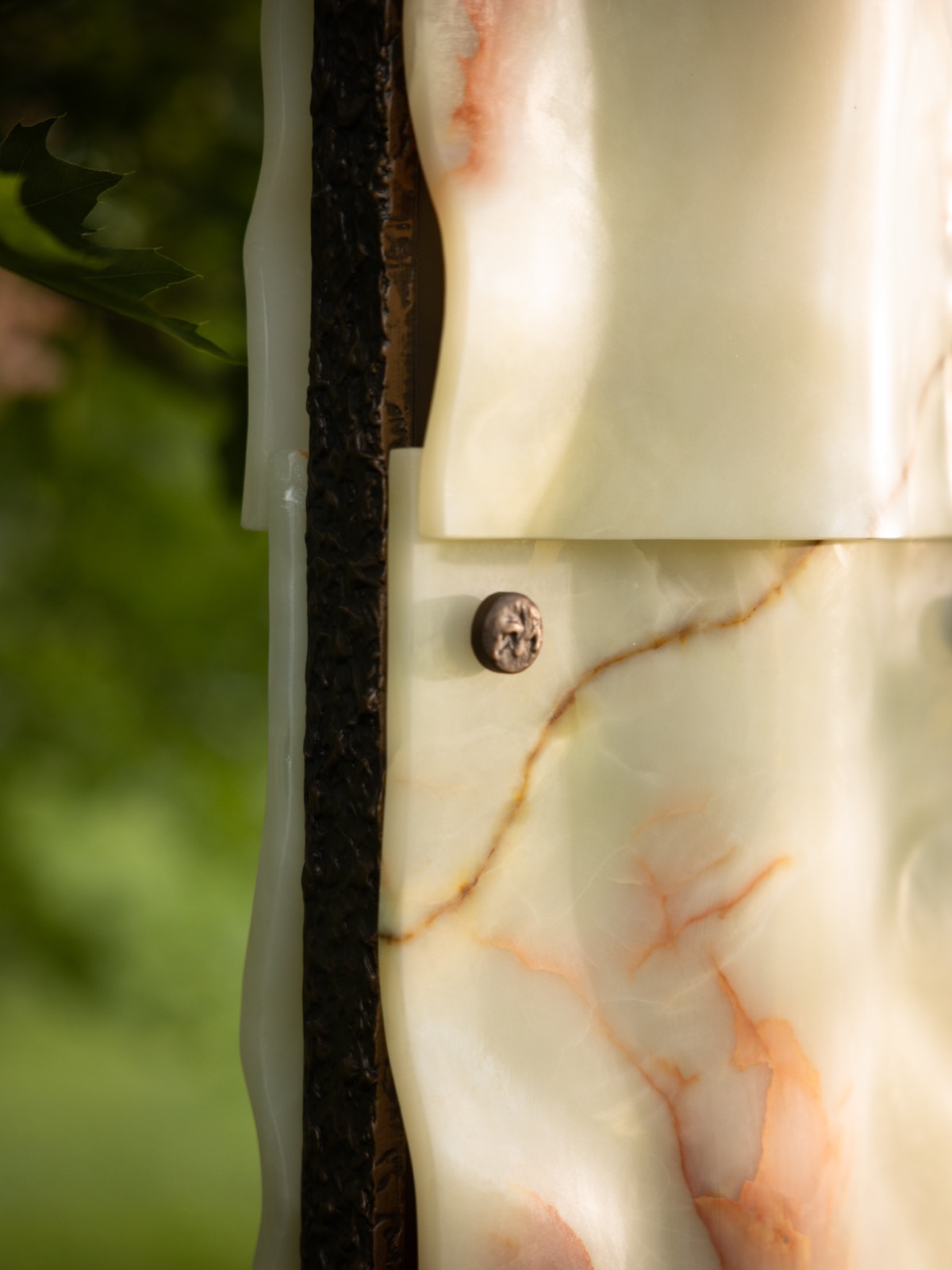
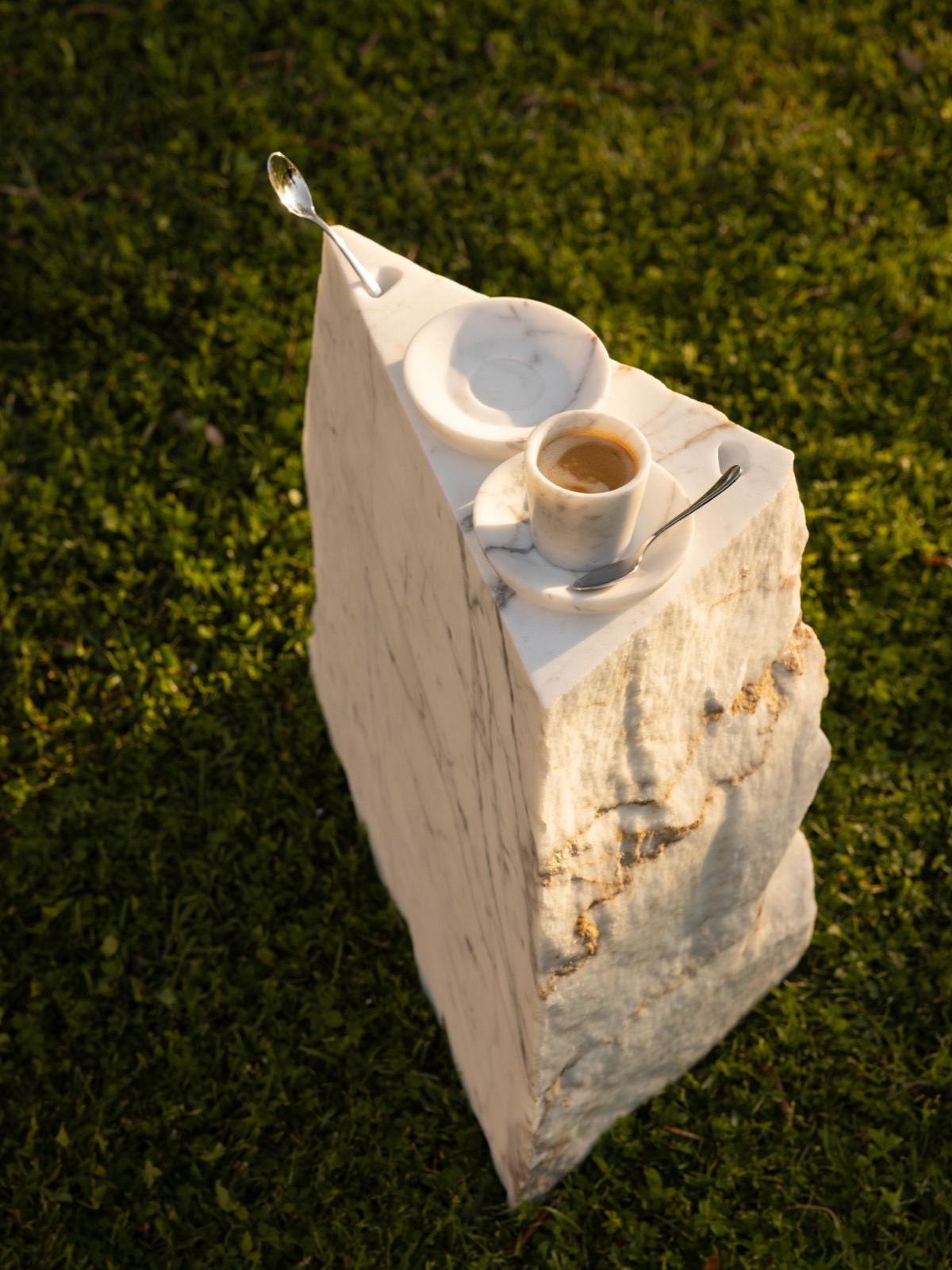
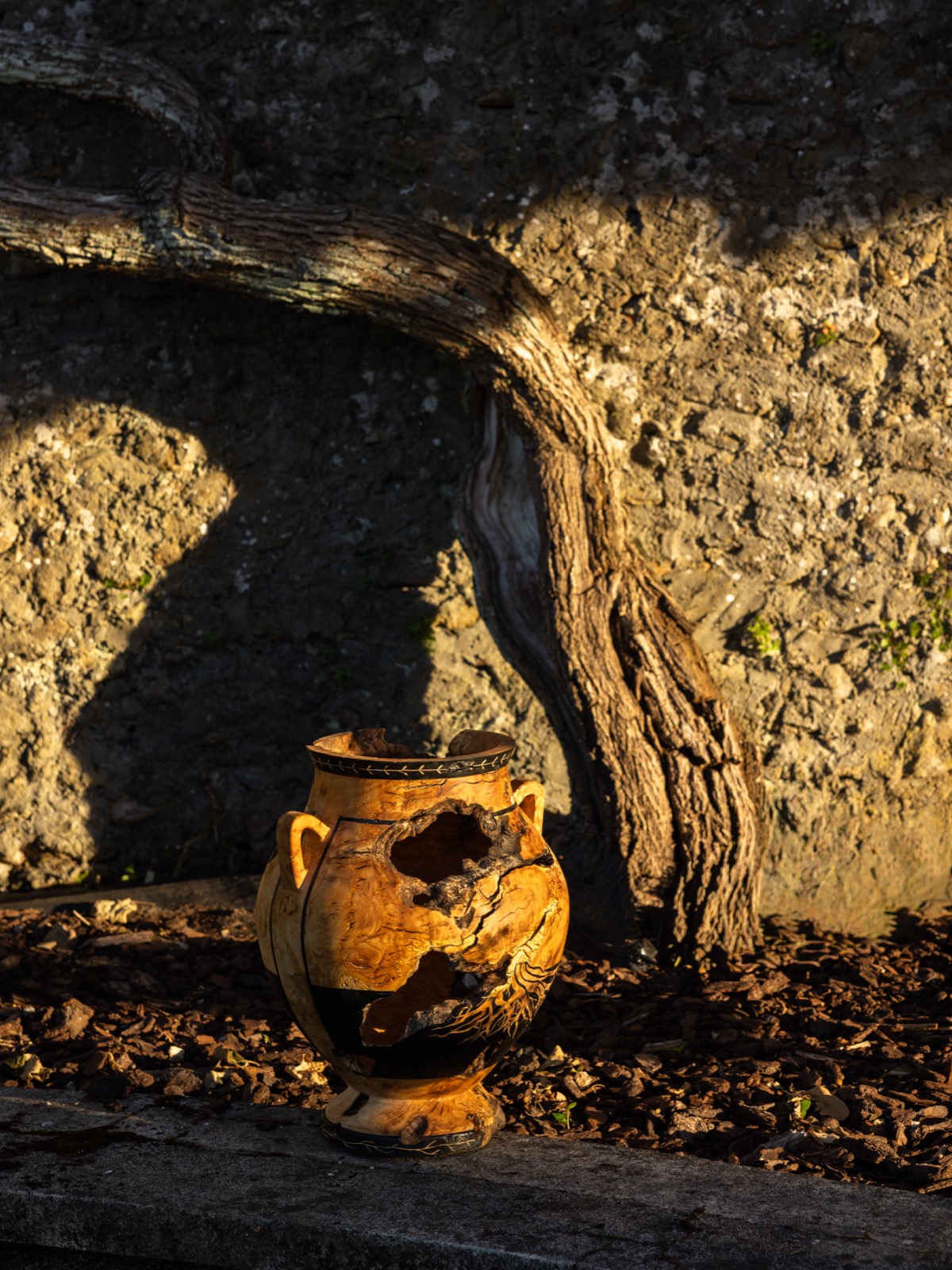
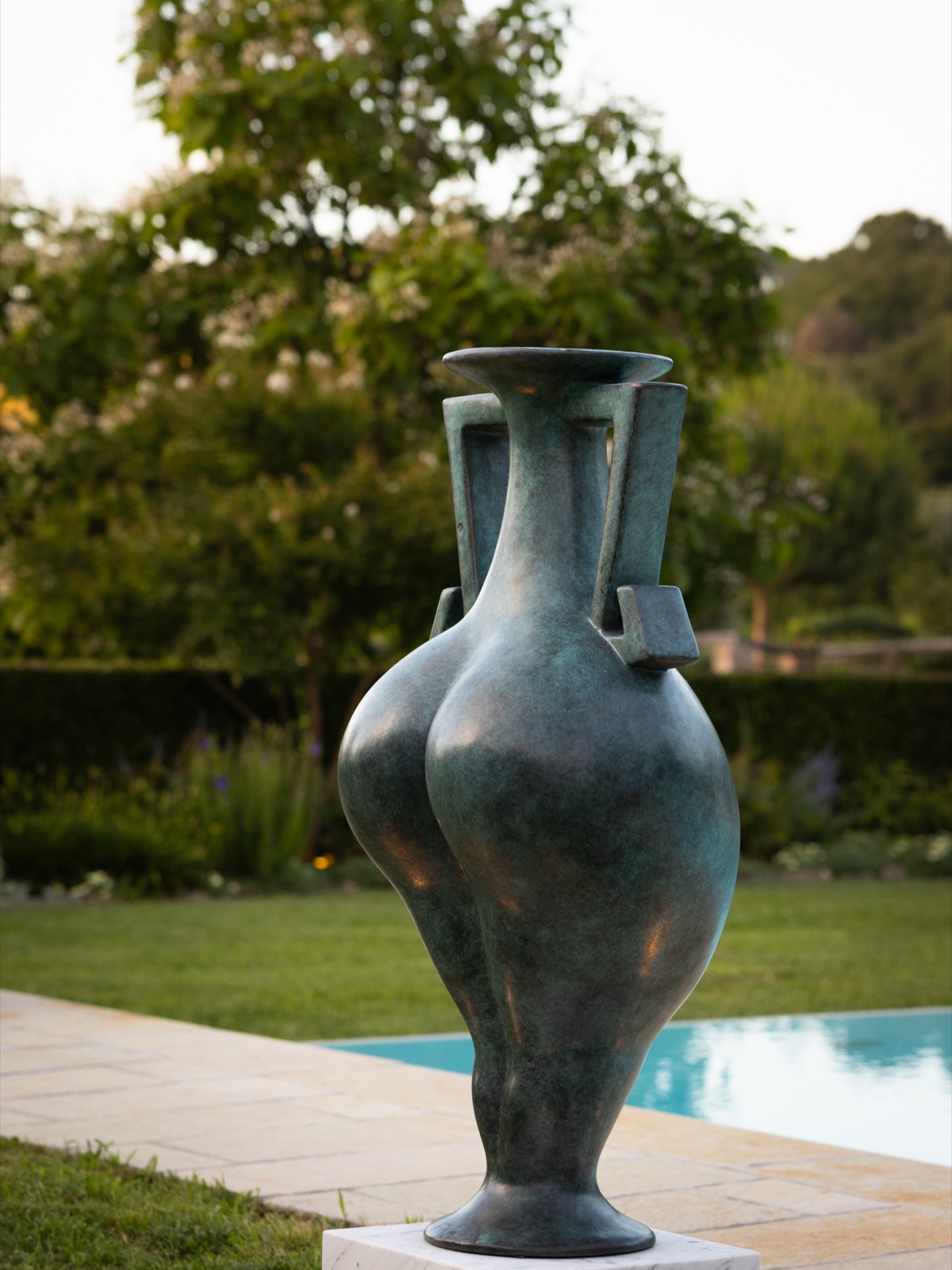
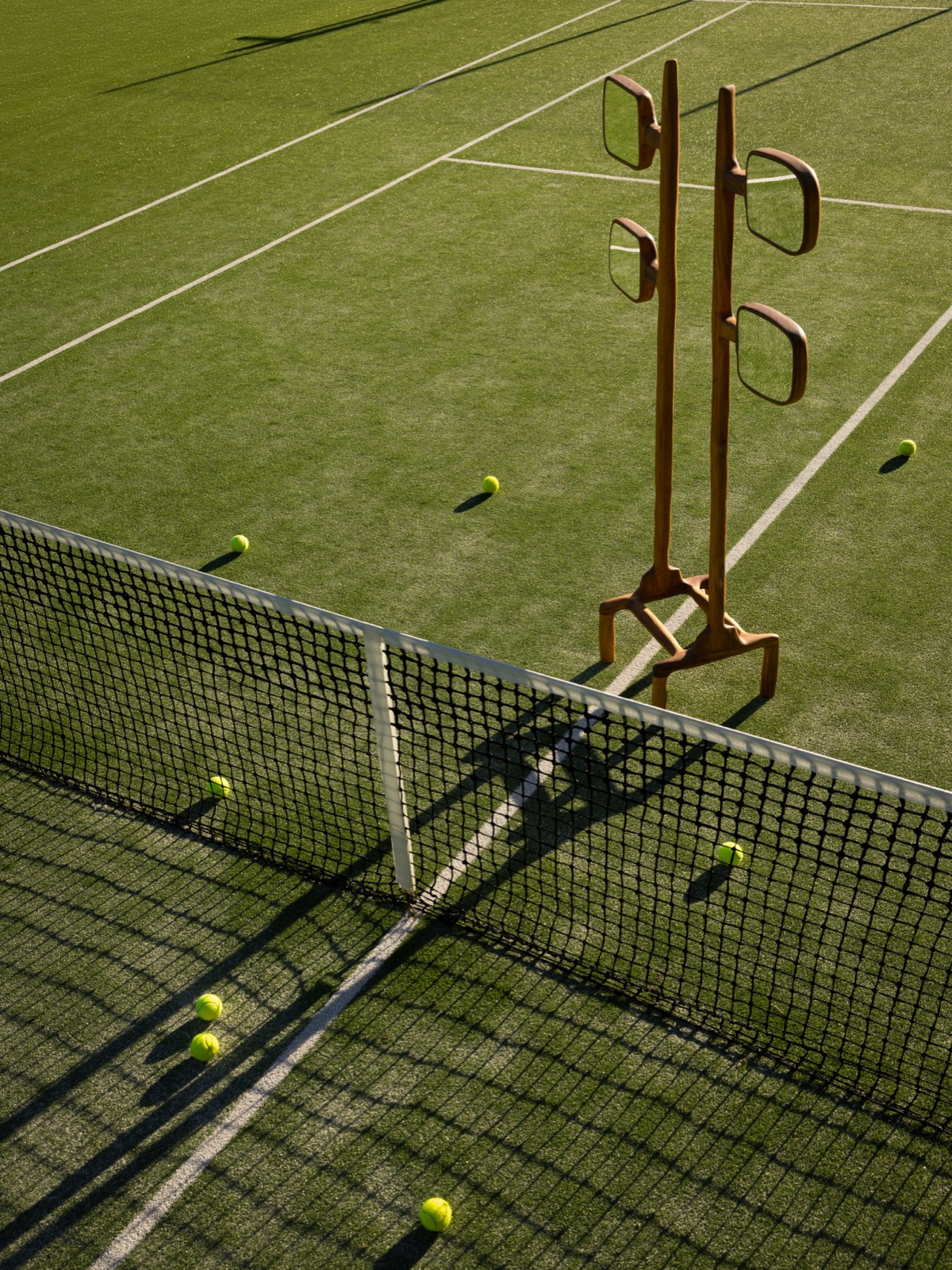
At Villa Marie, this dimension becomes physical, almost inevitable. The objects reject the sheltered isolation of the conceptual pedestal: they exist within the changing light, the shadows of the foliage, the stone, and the architecture that hosts them. They do not merely decorate the space; they interrogate it, forcing a relationship. Vestigia is not an exhibition about Tuscany, but an exhibition that happens through Tuscany.
The territory is the grammar that allows the narrative to exist. The pieces on display may well end up in a private collection, but they intrinsically belong to a non-negotiable path of research.
Ultimately, DON’T CALL ME COLLECTIBLE! proposes a vision of design as a cultural language rather than a commercial category. A vision where value stems not from limited editions or artificial exclusivity, but from an object’s ability to render visible the profound relationship between matter, place, body, and thought. It is on this threshold that design ceases to be a mere luxury commodity and returns to what it has always been at its highest moments: a cultural practice capable of shaping the way we inhabit the world.
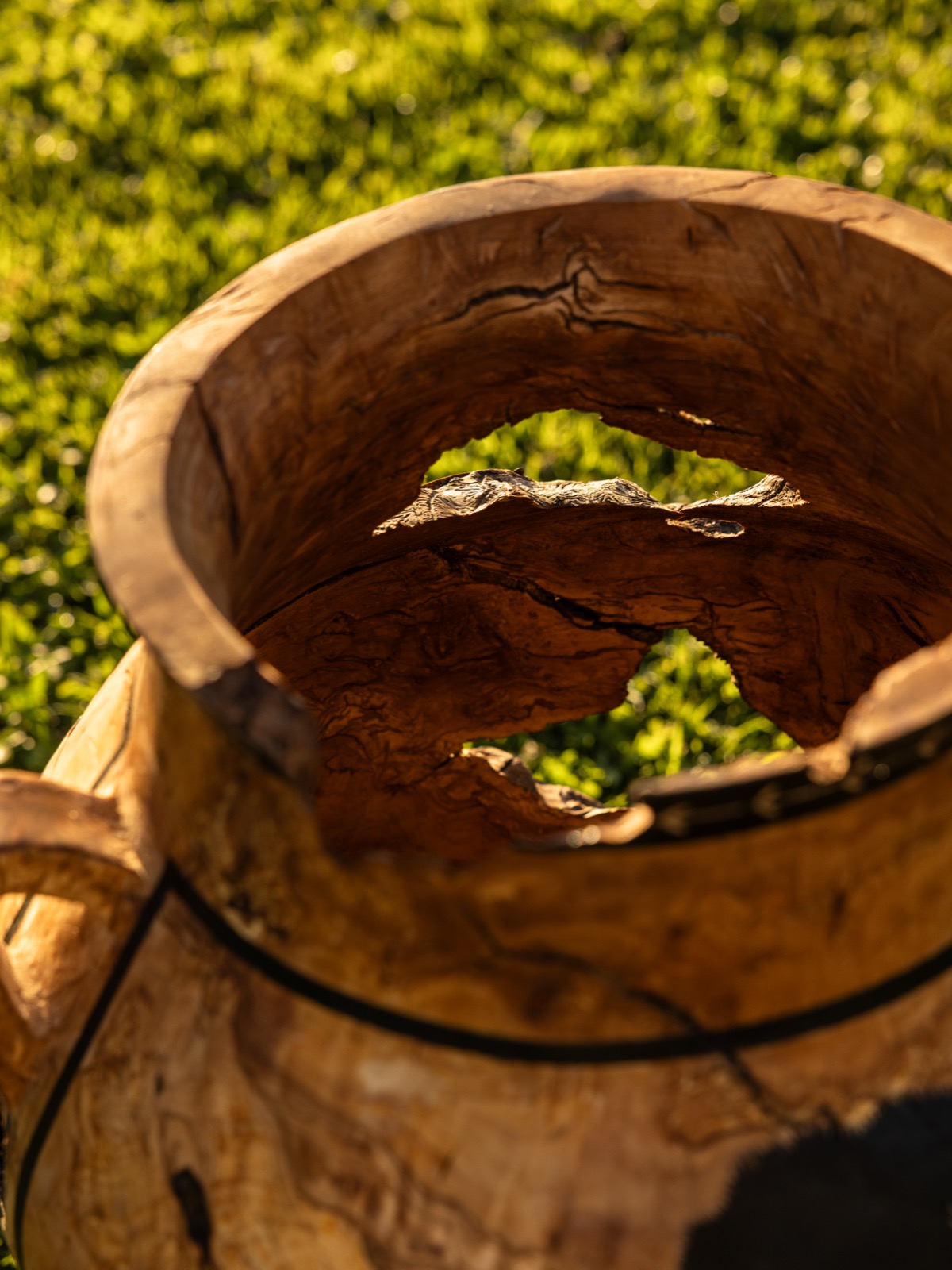
Pre-Shooting — Dario Borruto
15 images · Villa Marie · 2026
Where
Via della Boccaccia 50
Vorno 55012 Capannori
Lucca · Tuscany · Italy
DON’T CALL ME COLLECTIBLE!
Estate 2026
Vestigia Research Design